


Hair breakage rarely comes from one dramatic mistake. More often, fragile strands meet a little too much heat, tension, friction, or dryness over time. If your ends feel rough, your hair looks frizzy even after styling, or you are seeing short pieces around the face, learning how to prevent hair breakage starts with making everyday care gentler.
Shop the Valery Joseph haircare collection
What is hair breakage?
Hair breakage happens when a strand snaps along its length or splits at the ends. It is different from shedding, which is a strand falling from the root. Breakage is usually linked to weakened hair fiber, repeated tension, chemical processing, heat, or rough handling.
The distinction matters. A shorter piece with no bulb at the end may point to breakage, while increased hair coming out from the root may be shedding. The American Academy of Dermatology's hair-damage guidance also emphasizes that damaged hair is more fragile and more likely to snap.
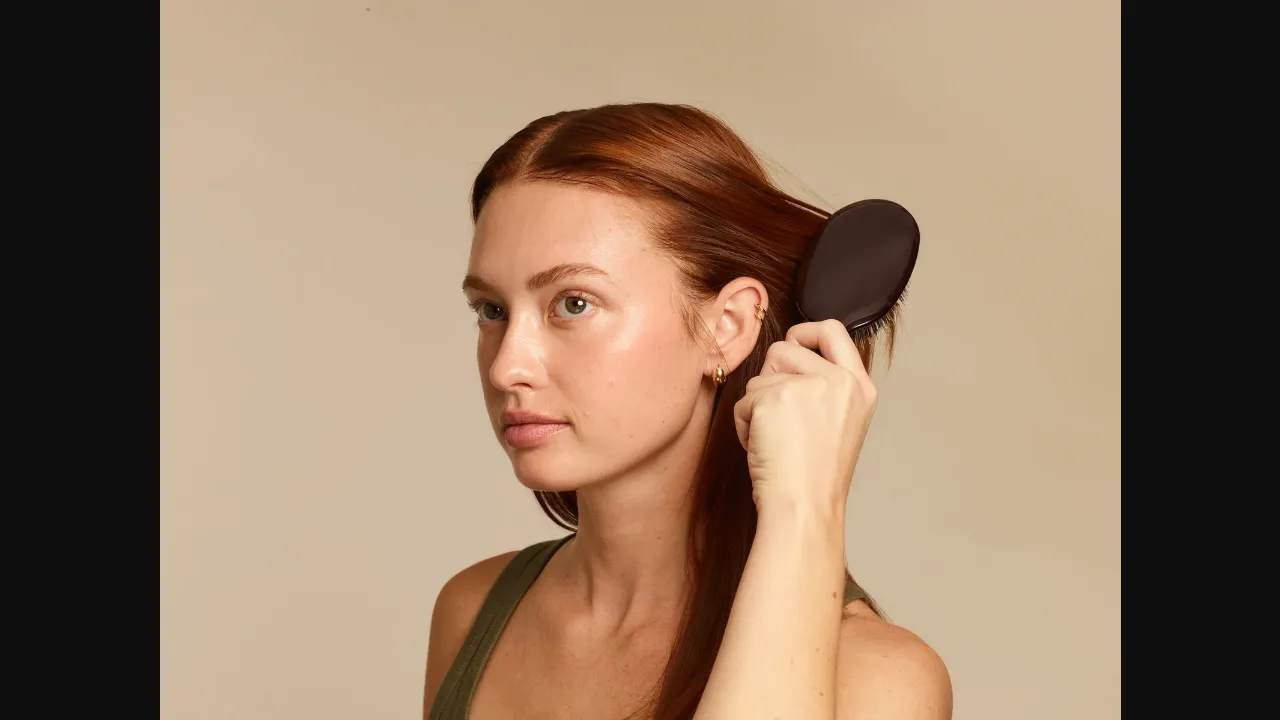
How to prevent hair breakage with gentler care
Gentler care lowers the amount of mechanical stress placed on the hair fiber. Use shampoo primarily at the scalp, let the lather move through the lengths as you rinse, and avoid scrubbing or twisting the hair. Blot excess water rather than rubbing with a rough towel, then detangle patiently with a wide-tooth comb when the hair is suitably damp for its texture.
- Choose a wide-tooth comb and work through tangles without pulling.
- Keep ponytails, buns, braids, and clips comfortable rather than tight.
- Rotate styles so the same hairline and part are not under constant tension.
- Use soft, covered elastics instead of bands that catch or snag.
- Schedule a trim when split ends continue traveling upward.
These habits do not make a snapped strand whole again. They help preserve the hair that is still growing and reduce avoidable stress while damaged ends are trimmed or managed.
Does conditioning make hair less prone to breakage?
Conditioning helps hair feel more supple and manageable, which can make detangling less stressful. A good conditioner that moisturizes can smooth the cuticle and reduce the friction that turns a knot into a tug. Use conditioner each time you wash your hair, with a mask when your strands need a richer layer of moisture.
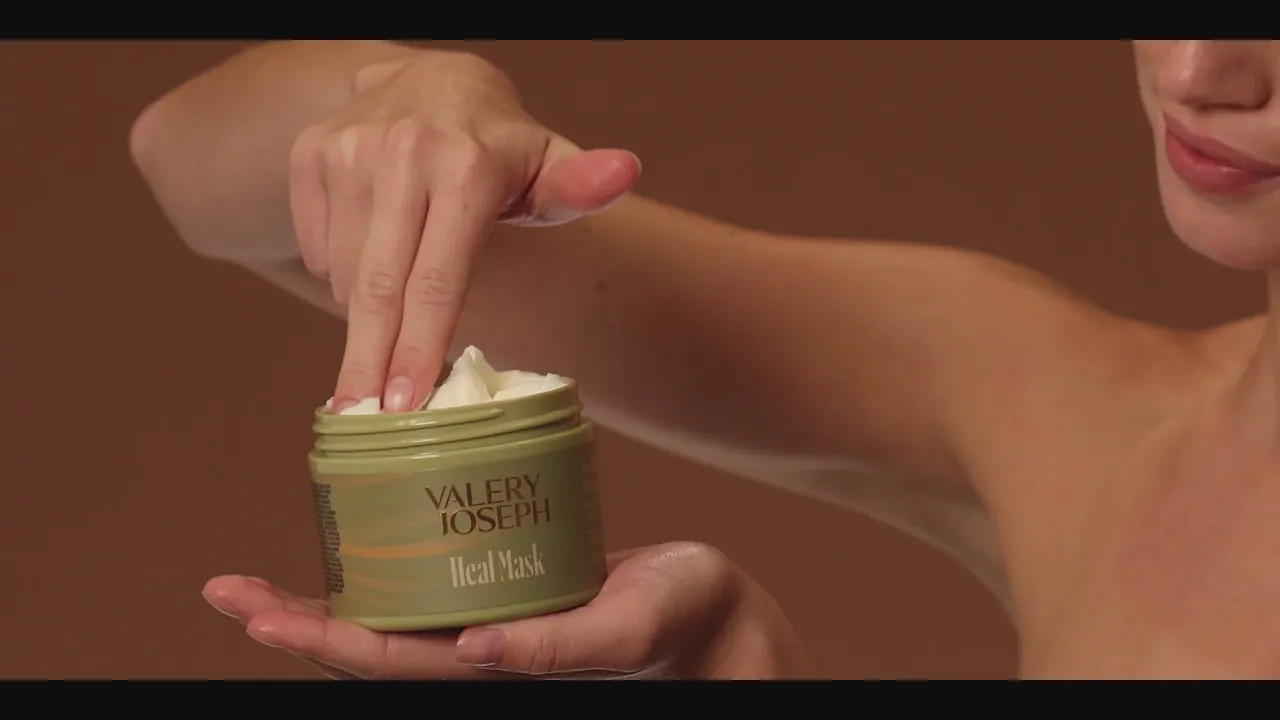
For weakened or sensitized hair, Valery Joseph Heal Shampoo is formulated with Amanduline, a sweet almond-derived protecting agent, and is designed to strengthen and repair hair affected by damage. The matching Heal Mask is a more concentrated conditioning option for hair that feels brittle or depleted.
Dry, parched hair may need a different emphasis. Valery Joseph Nourish Conditioner is powered by Biovitrient 124, a combination of organic proteins and flavonoids intended to increase moisture and smooth the cuticle. The right choice depends on the hair's condition, texture, color history, and styling demands. There is no universal best treatment.
How should you approach heat and chemical services?
Heat styling and chemical services are not automatically off limits, but fragile hair needs a more considered approach. Let hair dry partially when practical, use a heat-protective product, choose a moderate setting, and limit repeated passes over the same section. If hair is already snapping, pause before adding another source of stress.
| Hair concern | Helpful focus | Product direction |
|---|---|---|
| Dry, rough lengths | Moisture and reduced friction | Nourish Conditioner or Nourish Mask |
| Weakened or sensitized strands | Strength-focused care and a gentler styling approach | Heal Shampoo or Heal Mask |
| Color-treated hair exposed to heat | Color-conscious cleansing and heat awareness | Discuss Preserve with your stylist |
Color, bleach, relaxers, extensions, and smoothing services can each change what hair needs. A stylist can assess the condition of the fiber and decide whether the priority is moisture, strength, less tension, or a break between services.
When should a stylist or dermatologist assess breakage?
Professional guidance is worthwhile when breakage is sudden, worsening, concentrated around the hairline, or accompanied by scalp discomfort or noticeable thinning. A stylist can review grooming, heat, color, and extension habits, while a dermatologist can evaluate concerns that may involve the scalp, follicles, or overall health.
At Valery Joseph Salon, product selection is consultative rather than one-size-fits-all. The goal is to understand how the hair has been treated, how it behaves day to day, and what kind of finish the client wants, then build care around that reality.
Find care for stronger-looking, healthier hair
Frequently Asked Questions
What is the fastest way to prevent hair breakage?
The fastest improvement usually comes from reducing the biggest source of stress, such as tight styles, aggressive detangling, repeated heat, or overlapping chemical services. Pair gentler handling with a good conditioner each time you wash your hair, and ask a stylist to assess persistent damage.
Can conditioner stop hair from breaking?
Conditioner cannot repair a strand after it has snapped, but it can improve softness, manageability, and moisture so hair is easier to handle. That may reduce friction and tugging during detangling. Choose a formula based on whether the hair needs more moisture, strength-focused care, or both.
Is hair breakage the same as hair loss?
No. Breakage occurs when a strand snaps along its length, while shedding occurs when a strand falls from the root. If you notice widespread thinning, bald patches, or a sudden change in shedding, consult a dermatologist rather than assuming the issue is only cosmetic breakage.
How do I know whether I need Heal or Nourish?
Heal is intended for hair weakened or sensitized by damage, while Nourish is intended for dry, parched hair that needs moisture and softness. Hair can have more than one need, so a stylist should consider texture, color history, condition, and lifestyle before recommending a combination.