


If your hair feels dry one day, weighed down the next, or seems to absorb products without ever feeling balanced, you may have searched for a hair porosity test. The question is useful, but the label is not the whole story. A strand's condition can vary from root to ends, especially after color, heat styling, or time in the sun.
At Valery Joseph Salon, we treat porosity as one observation among several. How your hair feels, responds to water, holds moisture, and behaves after styling can create a more useful picture than a single at-home result.
Explore Valery Joseph haircare for a more considered moisture routine.
What is hair porosity?
Hair porosity describes how readily a strand takes in and releases moisture. It relates to the condition and arrangement of the cuticle, the outer layer of the hair fiber. The idea is helpful because it connects hair behavior with product feel, softness, frizz, and how long moisture seems to last.
It is not a permanent identity or a quality score. Roots, mid-lengths, and ends may respond differently because each section has experienced different stress.
Why is a hair porosity test only a clue?
A strand floating in water or a drop of water sitting on the surface can look persuasive, but surface tension and surface chemistry, residue, oils, water temperature, strand thickness, and cuticle condition can all change what you see.
Two tests on different days may suggest different results. A float test can reflect buoyancy or surface chemistry as much as moisture movement, so it should not dictate a rigid regimen or chemical service decision.
What can a hair porosity test tell you about your hair?
The most useful result is a pattern, not a category. Notice whether water seems to spread quickly or sit on the surface, whether conditioner leaves slip or weight, and whether the ends feel rougher than the roots. These observations help a stylist connect moisture behavior with the hair's current condition.
- Moisture response: whether water appears to spread quickly, slowly, or unevenly.
- Product feel: whether a formula leaves softness and movement or seems to sit on the hair.
- Retention: whether hair feels hydrated for a while or returns quickly to a dry, rough feel.
- Variation: whether the roots, mid-lengths, and ends behave like separate zones.
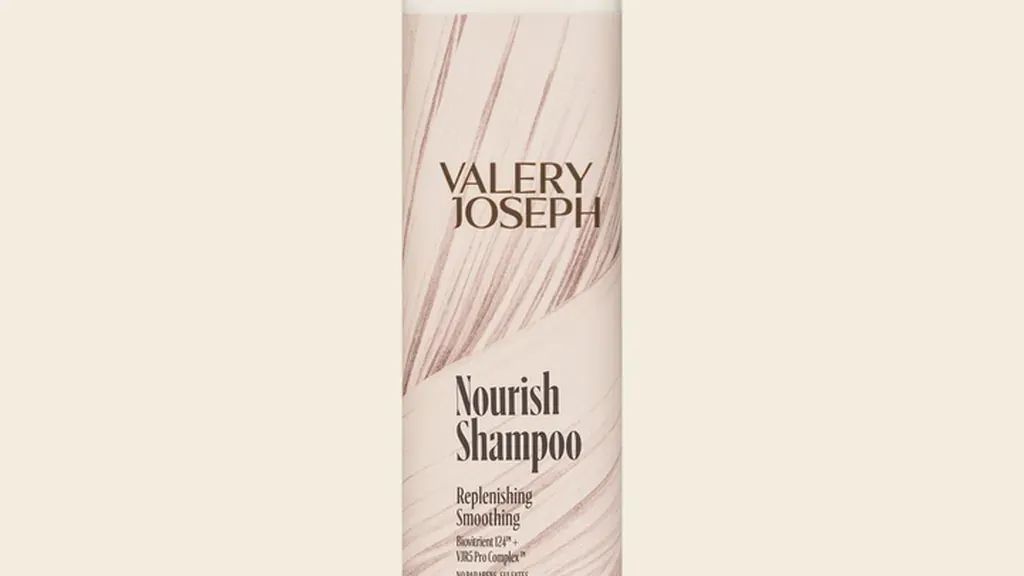
Product response is often more practical than a label. Valery Joseph Nourish Shampoo is formulated for parched hair, while a stylist may recommend a different balance for hair that feels easily weighed down. The right direction depends on the hair in front of you.
How should you interpret low, medium, or high porosity?
Use these terms as shorthand for observations, not as fixed types. Hair can move between behaviors as its surface changes, and different sections can call for different amounts of moisture, conditioning, or protection.
| Observed behavior | What it may suggest | What to consider |
|---|---|---|
| Water or product seems to remain on the surface | A less receptive surface or product buildup may be involved | Use a lighter touch and assess how the hair responds over time |
| Moisture feels balanced and products spread evenly | The section may have a more even surface condition | Maintain the balance rather than chasing a label |
| Hair absorbs moisture quickly but feels dry again soon | The cuticle may be more weathered in that area | Look at conditioning, protection, and damage history together |
None of these observations is automatically good or bad. They point toward what your hair needs now, which may change after a trim, color service, seasonal humidity, or styling shift.
How do color and damage change the result?
Color, lightening, heat, friction, and environmental exposure can affect the hair surface. Mid-lengths and ends may feel more porous while newer growth feels smoother, so one small section can miss the contrast.
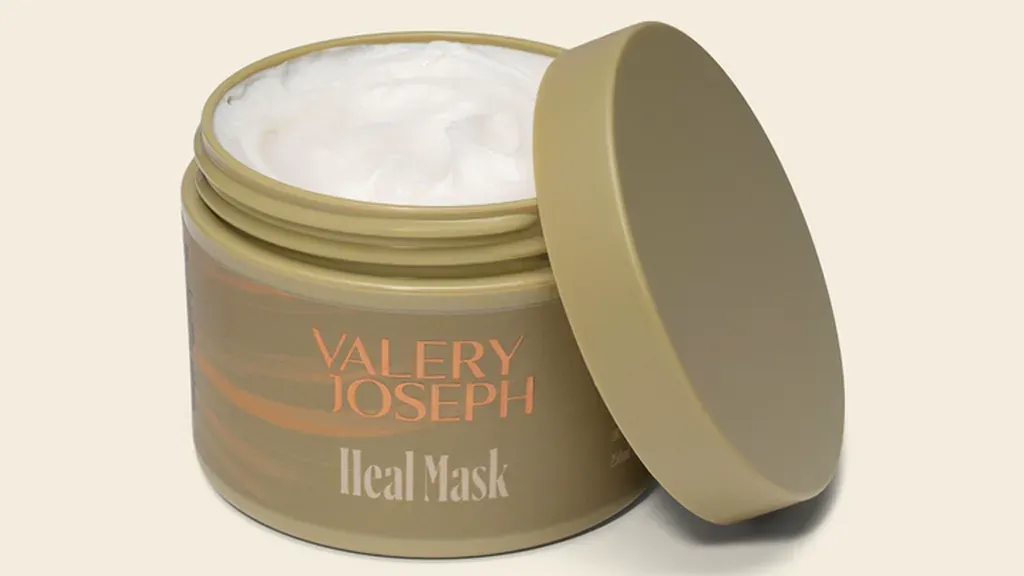
Product feel matters here. Valery Joseph Heal Mask is positioned for weakened hair, while Preserve Shampoo supports color-extending and heat-protecting care. Those are different needs, not a ranking.
When is a stylist consultation more useful than a test?
A consultation is especially valuable when hair gives mixed signals, has been lightened or chemically processed, or reacts differently at the roots and ends. A stylist can consider texture, density, color history, styling, product feel, and your desired result.
That is the purpose of a hair porosity test at its best: not a permanent identity, but a way to ask better questions. Bring the observations, then let your hair and lifestyle guide the next choice.
Find the Valery Joseph haircare collection for your next informed choice.
Frequently Asked Questions
Is hair porosity permanent?
No. It can vary by section and change with color, heat, friction, weather, and product buildup. Treat a result as a current observation, not a permanent hair type.
Is low porosity hair better than high porosity hair?
Neither is better. These labels describe different moisture behaviors, and each can come with its own product-feel considerations. The useful question is whether your hair feels balanced, comfortable, and manageable with the care you are using.
Can a float test tell me exactly what products to buy?
No. Surface tension, residue, strand size, and time in water can influence it. Use it as a prompt to observe your hair, then consider its response to cleansing, conditioning, styling, color, and heat.
When should I ask a stylist about porosity?
Ask for a professional perspective when hair feels inconsistent, breaks easily, has been lightened, or never seems to retain moisture. A stylist can assess different zones and your color history before recommending a care direction.